Words Can Mean So Much

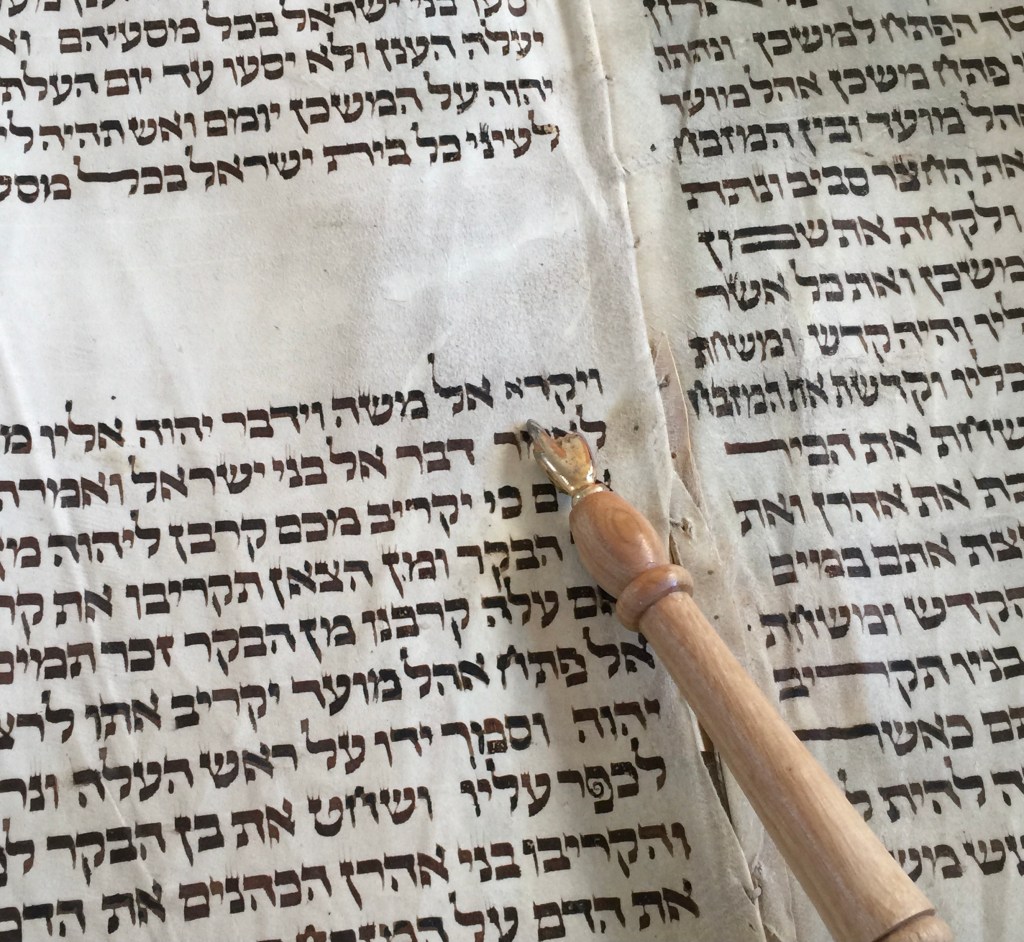
The wilderness sanctuary is called the אֹהֶל מוֹעֵֽד/ohel moed, the tent of meeting. In this tent, at the center of the camp, at the very center of holy space, Aaron and his sons would minister before the Lord on behalf of the children of Israel: ministering for a nation of ministers.

The portion of אמר, “say” (Leviticus 21:1—24:23), however, opens with a rather unusual repetition.

The Lord draws Moses to Himself, to the אֹהֶל מוֹעֵֽד/ohel moed, the tent of meeting, and as the Torah records: He said, He speaks and directs him, Moses, “to say.” Is it important to consider a repeated word in a verse or in successive verses of Scripture? What does a threefold repetition of a word mean to us?

וַיֹּאמֶר יְהוָה אֶל-מֹשֶׁה, אֱמֹר אֶל-הַכֹּהֲנִים בְּנֵי אַהֲרֹן; וְאָמַרְתָּ אֲלֵהֶם, לְנֶפֶשׁ לֹא-יִטַּמָּא בְּעַמָּיו

“And the Lord said to Moses, ‘Speak to the priests, the sons of Aaron, and say to them: ‘No one is to be defiled for the dead among his people’” (Lev. 21:1).

Here we find a threefold repetition of the word “אמר” meaning “say.” According to some rabbinic opinion, אמר, “say,” implies speaking with softness. The implication being that those whom you are speaking to are close to you: a friend, a spouse, a child or a disciple. It is important that we recognize the value of close relationships, where our voices need not be raised, because we are close enough to אמר, “say.”

This type of close relationship between family, friends, or faith brethren is becoming increasingly out of fashion. For lack of a better reason, time seems to get in the way of relationship; and because of this, a distance has grown between people, when the Lord desires us to be together: “Behold, how good and pleasant it is when brothers dwell in unity!” (Ps. 133:1).

While the tent of meeting represents space, another subject in this portion represents time:

דַּבֵּר אֶל-בְּנֵי יִשְׂרָאֵל, וְאָמַרְתָּ אֲלֵהֶם, מוֹעֲדֵי יְהוָה, אֲשֶׁר-תִּקְרְאוּ אֹתָם מִקְרָאֵי קֹדֶשׁ–אֵלֶּה הֵם, מוֹעֲדָי

“Speak to the people of Israel and say to them, These are the appointed feasts of the Lord that you shall proclaim as holy convocations; they are my appointed feasts” (Lev. 23:2).

These seasons are called – מוֹעֲדִים/moed’im – often translated as “appointed times” or “designated time.” The seasons of the Lord show us how to make time holy, or set apart. They expect us to step out of our busy lives, and yes we are busy, to come away from distractions and experience the Lord and family anew.

מוֹעֲדִים/moed’im, “appointed times” derives from the root, עֵד, meaning “witness.” What is it that we are a “witness” of? The Sovereignty of the Living God. Still, this root, עֵד, also tells us how we demonstrate this witness: 1) in the עֵדָה, or in congregation as we sanctify our time in response to the Lord, 2) and with our עֵדוּת, or “testimony” of who He is.

We find that our witness is a triad: time, assembly, and testimony. Each of these speak to life itself. Yet, there is more.

The word מוֹעֵד/moed, used to designate time, is also used to designate space: אֹהֶל מוֹעֵֽד/ohel moed, the tent of meeting. מוֹעֵד/moed and מוֹעֲדִים/moed’im, are used to express sacred space (the tent) and sacred time (festivals).

But wait, there’s more…

How we spend our time, how we designate our time, and where we spend our time also reveals something of vital importance: Who we are betrothed to. That root עֵד, is also related to another word, יָעַד, meaning “betroth.”

How we spend our time shows to Whom we are betrothed, within that sacred space. In life we set-apart time for those we love. The Lord has also done this for us. Why? He loves us, and in that love He desires to meet with us, at designated times, each day, week, and season; and in doing so we are joined to our first love, Yeshua/Jesus.

It is time for us, who love Yeshua, to break away from social convention and expectation, and return to His feet, to be close to Him.

When we consider the repetition of say, above, as a sign of drawing near to in relationship, in the space of His choosing, and the stepping out of our busyness (time) to Him, we find the beauty of our relationship with Him: He desires to be with us, and where He is, we are in a holy space.

Why do these words stand out to me? The closeness of say, and the relationship it implies, and expects, is coupled with time and space. Have you ever noticed that we can revisit a space, but the time vanishes? While we can revisit the same place, we cannot return to yesterday. Moed expresses both time that disappears and space that endures.

CS Lewis wrote, “Though our feelings come and go, God’s love for us does not.” The Lord’s love for us endures, and the space that He calls us to also endures, but the time, from our perspective disappears. Time, dear friends, is short. Yet, in the scope of eternity the enduring space changes as well. Yet another twist.

In Hebrew the word עוֹלָם/olam means both the world and eternity. The world, our space, will be changed, but when we are united with Him, He becomes our dwelling place, eternal, and unchanging. What did Messiah say?

“Let not your hearts be troubled. Believe in God; believe also in me. In my Father’s house are many rooms. If it were not so, would I have told you that I go to prepare a place for you? And if I go and prepare a place for you, I will come again and will take you to myself, that where I am you may be also” (Jn. 14:1-3).

The place He prepares for us, in that time when we are caught up in His presence, will endure. Then, we will be dwell with He Who is the same “yesterday, today, and forever” (Heb. 13:8). No longer concerned with the busyness of life, and it’s many distractions, and we will behold Him forever! Hallelujah!

Be well. Shalom.

The Heart of the Scroll

“And the Lord spoke to Moses saying, ‘Speak to all the congregation of the children of Israel, and say to them, ‘Be holy, for I the Lord your God am holy’” (Lev. 19:1-2).

וַיְדַבֵּר יְהוָה, אֶל-מֹשֶׁה לֵּאמֹר. דַּבֵּר אֶל-כָּל-עֲדַת בְּנֵי-יִשְׂרָאֵל, וְאָמַרְתָּ אֲלֵהֶם–קְדֹשִׁים תִּהְיוּ:

כִּי קָדוֹשׁ, אֲנִי יְהוָה אֱלֹהֵיכֶם

At the very heart of the Torah (the center of the scroll), the rabbis say, is the portion called קְדֹשִׁים/Kedoshim, or holy ones. Speaking to all the congregation of the children of Israel, כָּל-עֲדַת בְּנֵי-יִשְׂרָאֵל, this portion is concerned with how we live life in the human community, together.

The usual practice for naming the weekly portion is to take the first key word in the portion, typically from among the first words. קְדֹשִׁים/Kedoshim is unusual, as it is the fourteenth word of the portion. Why would this be? It has to do with who the Lord is addressing, again, כָּל-עֲדַת בְּנֵי-יִשְׂרָאֵל, “all of the congregation of the children of Israel.” The message of this portion is not an exclusive message to Moses, Aaron, the elders, or the prophets and kings to come; but to all in covenant relationship with the Lord. Making קְדֹשִׁים/Kedoshim the name of the portion would include all that came before it.

The prominent rabbinic commentator, Rashi, Rabbi Shlomo Yitzhak, teaches that קָדוֹשׁ, holy, is separation from sin. It is not that sin is absent from our surroundings, but those sanctified by the Lord God do not partake of sin, or respond to sin in a sinful manner. We will, as we all know well, cause, experience, or step into the midst of ungodly situations, that is part of human life; but how we respond once we recognize it is of great importance.

Holiness, then, is not lived in isolation, alone in a cave; but in everyday life, with all kinds of people.

In Leviticus 20:26, the Lord says again, “you shall be holy.” This results from the transformation of life by the power of God, according to His Word, and its application to life in faith. How can we do this?

Again קְדֹשִׁים/Kedoshim, holy ones, is the fourteenth word in the verse above. For many reasons, fourteen is connected to perfection, deliverance, and grace. Relating to a complete cycle of weekly time as found in Genesis 1 and the date of Passover found in Exodus 12:6 (another message to all Israel), it is viewed as a double portion (7+7) of wholeness/peace (שָׁלוֺם/shalom), and yet it also relates to the number five, representing grace (1+4=5).

Our walk with the Lord begins with an exodus, a deliverance from bondage to sin, by His grace (Eph. 2:8-10). The Lord’s deliverance ushers in wholeness and peace before Him, enabling us to live a life in set-apart relationship with Him. We are then called to live out the grace received, not only with the covenant community around us, but also the broader human community.

What does this do?

Because we are His we will: consider the poor; we will not steal; lie or deceive one another; we will not withhold wages; curse the deaf; place a stumbling block before the blind; we will use correct weights and measures; we will love our neighbor; we will love the stranger because we were once strangers in Egypt; we will show respect; and we will guard what He has called holy. The covenant Lord is active in the world, and we are His witnesses.

As we read this portion called קְדֹשִׁים/Kedoshim, we cannot help but hear echoes of the Decalogue, which unfold into instruction regarding faith-obedience and family purity, community relationship, and covenant faithfulness. The Decalogue itself opens with a reminder of God’s grace, and then defines for a freed nation of slaves what freedom from oppression should look like.

This portion opens with a call to holiness in Leviticus 19:2, and it ends with a call to holiness in Leviticus 20:26. In these verses we are dealing with קְדֹשִׁים, holy ones or set-apart ones – a condition defined by distinction, a result of grace received.

Our position in Messiah Yeshua is that of קְדֹשִׁים, holy ones, or set-apart people. It is important, in faith to Messiah, that we recognize a change in status, and therefore identity: from sinner to saint, from slave to free. This change in identity, is not based upon how we think or feel about it; but rather, on the completed work of Messiah on the cross.

Once delivered from sin and death, to life and faith, we must be taught how we are to live. The holy ones of God, קְדֹשִׁים, have been set-apart, made holy to God to be about their Father’s business, discipling the people of God as we move toward eternal promise.

The “heart of the Torah” is calling for His people to be holy or goodly in distinction, and it is announced within the context of community. In this portion the Lord emphasizes loving action toward the poor, the stranger, the neighbor, and care as concerns different seasons of human life and nature. We find the means of obedience in community, but it is a community that recognizes distinction. This is made clear: there are poor, there are strangers, there are blind and elderly, rich and poor, those who buy and those who sell – life distinctions. The community, as a whole, כָּל-עֲדַת בְּנֵי-יִשְׂרָאֵל, “all of the congregation of the children of Israel,” is called to be holy – but it is not called to be wholly uniform.

As the apostle Peter wrote, “But as he who called you is holy, you also be holy in all your conduct, since it is written, “You shall be holy, for I am holy” (I Pet. 1:15-16). In your conduct, by loving those who deserve your love, and those who, according to human reckoning, do not, be holy, as He is holy (Lev. 19:18, 34).

How? Living as joint heirs with Messiah, living out, by His grace, His perfection and peace, while sharing the grace we have received in the complex arena that is human life.

Still wrestling with this? We all are; but we thank our Abba/Father for His grace, mercy, love, repentance and forgiveness through the blood of the Lamb that today we can labor to believe Him (Jn. 6:29) today more fully than we did yesterday.

Be well. Shalom.