In Deuteronomy 19:1-3, Moses speaks about the cities of refuge once again. Six cities, three on the eastern side of the Jordan, and three on the western side of the Jordan. As I have shared before, throughout the ancient land of Israel signs along the road, and at every intersection, pointed the way to the nearest city of refuge.
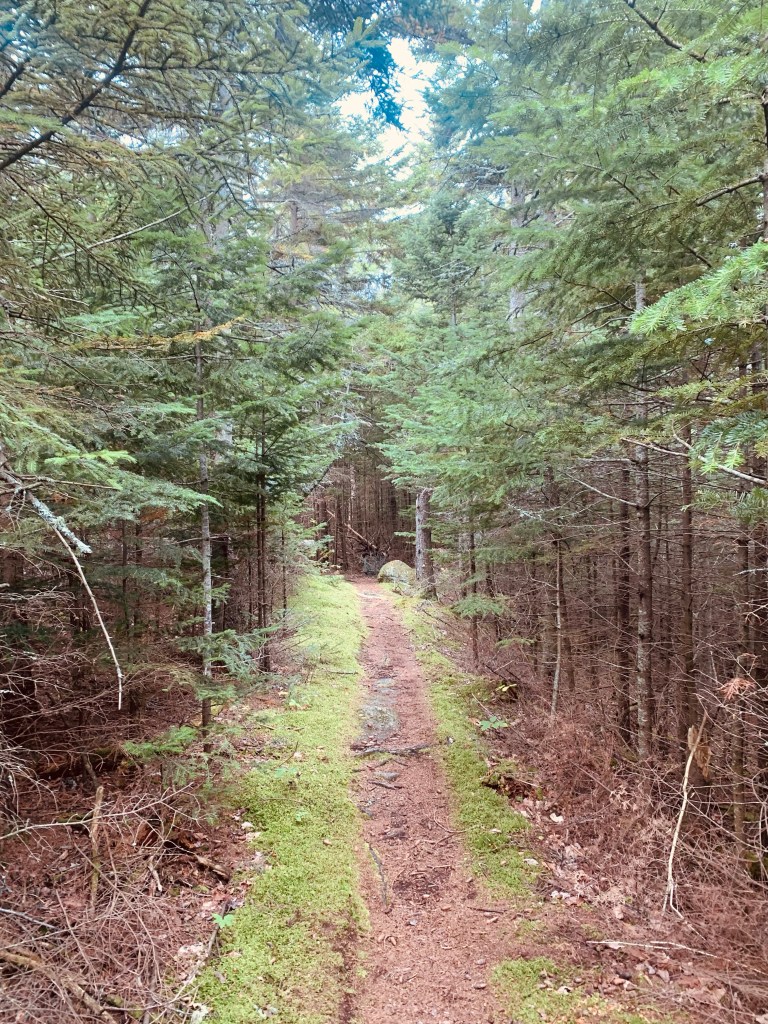
These signs fulfilled the command recorded in the Torah: תָּכִין לְךָ, הַדֶּרֶךְ, “prepare the way for yourselves.” This is a directive to make the way clear, free of debris, and to set signs for direction. Preparing the way to the city of refuge could save an innocent life.
As numerous as signs to cities of refuge were, it is interesting to note that there is no tradition, or commentary indicating, that signs to Jerusalem were present in ancient Israel. Why?
Comparatively few people needed to flee to the city of refuge as compared to those traveling to Jerusalem. Wouldn’t it seem that signs to Jerusalem should be more prevalent?
I’ve read several opinions on this, and they share the same idea, that when traveling to Jerusalem, for a festival or time of rejoicing, it was a delight to share the good news of the occasion by stopping along the way. In times when daily life was fraught with difficulty, good news would inspire and lift the lives of those along the way. If the signs to Jerusalem were present, there would be no need to stop and share good news.
The way to Jerusalem was prepared. Prepared by the thousands of feet that had gone before; along the same roadways and paths our forefathers and foremothers had walked. And if one did not know the way, or you needed to stop along the way, there was good news to share.
In the Good News According to Mark, Messiah Yeshua/Jesus directs: “And he said to them, “Go into all the world and proclaim the gospel to the whole creation” (Mk. 16:15). This is a variation of the Great Commission of Matthew 20:18-20. The Messiah said “go.” But where?
No matter “where” we are in this world, we are making our way to the New Jerusalem (Heb. 11:13-16), to the One Who is greater than the cities of refuge: Yeshua. But how do we know the way?
Thomas asked this very question: “Lord, we do not know where you are going. How can we know the way?” Jesus said to him, “I am the way, and the truth, and the life. No one comes to the Father except through me” (Jn. 14:5-6).
As Messiah explains so beautifully, He is the way; and He has prepared the way before us, as He said “follow Me”. Even more, He has prepared the place where we will rest (Jn. 14:3). Along the way, as we go, we share the Good News of what Messiah has done, to inspire others to repentance, forgiveness and new life in Him.
Those fleeing from judgment did not stop, and they did not share. They were busy fleeing for their lives. But those in Messiah have news to share, not bad news, but Good News. There are two ways, flight or rest. In the city of refuge, you were safe as long as the high priest lived, but not after he died. But in the One greater than the cities of refuge, the One greater than the high priest, the One greater than the Jerusalem below, as He forever lives, those who have received and rejoiced in the Good News, forever live in Him.
David wrote, “A Song of Ascents. Of David. “I was glad when they said to me, “Let us go into the house of the Lord” (Ps. 122:1). David heard and responded to good news, and he prophetically shared Good News that was to come. He did so with joy, even though he knew the deep fear of judgment.
Some days it may seem as if there are no “signs” along the way, but remember that He has prepared the way – free of the debris of regret, shame, rejection, etc. – before you in Himself. He is the sign. And as you move along in Him, He has given you Good News to share, in this age where bad news seems to reign supreme.
Remember to stop, and share. He gently encourages you to do so.
Be well. Shalom.


 the mountain mensch