
The Torah portion of Vayakhel, “and he assembled,” begins:
וַיַּקְהֵל מֹשֶׁה אֶת־כָּל־עֲדַת בְּנֵי יִשְׂרָאֵל וַיֹּאמֶר אֲלֵהֶם אֵלֶּה הַדְּבָרִים אֲשֶׁר־צִוָּה יְהוָה לַעֲשֹׂת אֹתָם
“And Moses gather together all the congregation of the children of Israel, and said to them, “These are the words that the Lord has commanded, that you do them.”

Moses, in the midst of the assembling of the components of the Tabernacle, קָהַל, calls together the assembly of Israel. Why?
Simple: TOGETHER.
The people of Israel, the individuals of the covenant community, were busy. Can you relate to busy? Scurrying about making, connecting, realizing the vision Moses revealed to them beginning in Exodus 25. They were on a mission.
Yet here, Moses “calls together,” in the same way that ἐκκλησία/ekklēsia (called out ones) is used in the Apostolic Scriptures, the people: “come here, together.”
In the midst of the hustle and bustle of this industrious camp, Moses assembles them and slows them down. He begins: “These are the words that the Lord has commanded, that you do them.” Hasn’t he already said these words time and again? One way or another, yes. Yet, he then turns to a completely new subject concerning what God has commanded:
שֵׁשֶׁת יָמִים תֵּעָשֶׂה מְלָאכָה וּבַיּוֹם הַשְּׁבִיעִי יִהְיֶה לָכֶם קֹדֶשׁ שַׁבַּת שַׁבָּתוֹן לַיהוָה
“Six days work is done, but the seventh day will be holy, a sabbath of rest unto the Lord.”
Busy. We are busy, running hither and yon, busy about our business, even that which may be called, holy work. Moses says, we are to do what the Lord has commanded, but we must also rest, an act of holy temporal worship resting our bodies. When we are consumed and distracted with “busy,” rest becomes a revelation.
Shabbat, or sabbath, is a break in time when we cease from doing, and experience life, family and community as the gift from the Lord that it is. The spiritual brakes applied, we rest, even from the holy labor of constructing the Tabernacle, in order to be His tabernacle, not alone but together.
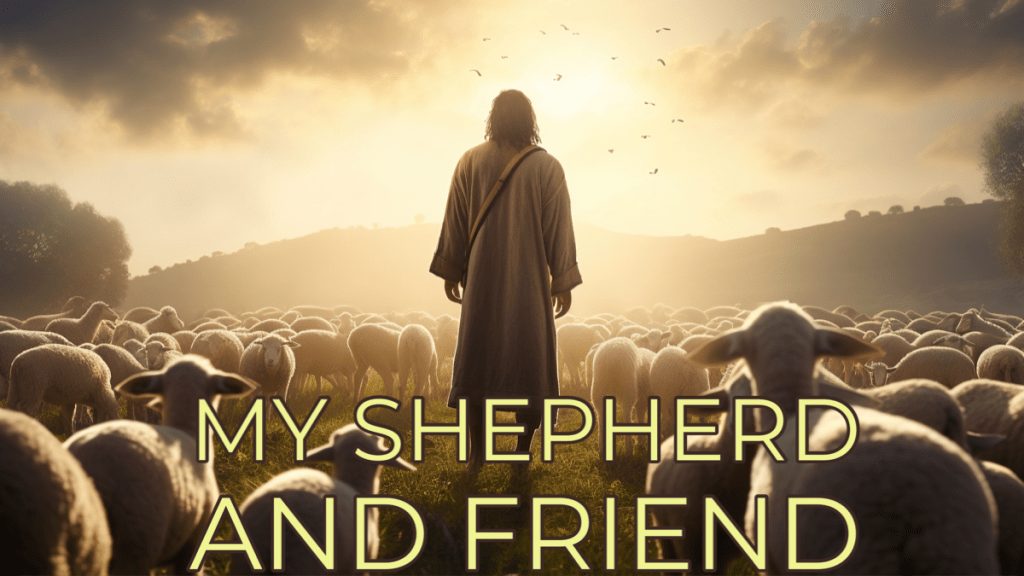
Obviously, the command for Shabbat/Sabbath is not a new command in Exodus 35:2. It is, rather, a reminder. Even in the busyness of life, as important as the work is, we must pause, hear the call of our shepherd, and come together.
Sabbath, as revealed in Scripture, reminds us that even in our absence from the assembly that we are still part of the family. Our people, whether near or far, as still gathering, praying, singing, rejoicing, and fellowshipping together. This thought stayed the feeling of homesickness when on the mission field in different places in the world. Even alone, I was part of a together community connected by the Spirit of God.
As I walked across the empty, quiet parking lot at our congregational building this past Shabbat, the holy praise, testimonies, and joyous fellowship was still vivid in my mind. A building full of saints, young and old, stepping out of the busy flow of life to share the precious commodity of time. Even those not present, were present, as His Spirit is not limited by space, place or time. The silence was a sharp contrast to the sound present only moments before; yet both the sound of human presence and absence is necessary, as one anticipates the other.
In the Gospels, we find scenes of Messiah Yeshua/Jesus sitting at the mount to teach, seating the masses to receive food, sitting with His disciples to sing, dip, and recline. Yeshua knew that He was heading toward the holiest work of redemption, but as He made His way there over the weeks, months and years, He still stopped, rested and enjoyed the company of those He loved, even those He challenged. He even went off to the quiet, lonely places to pray.
Dear reader, you may think you have been caught up in the busyness of life for too long to answer the call of the shepherd to assembly, nevertheless, He is still calling. You are still welcome, and there remains a place that He has set just for you. The command of Shabbat in Exodus 35:2 is that invitation in the midst of the busy assembly, it is the shepherds call to you and me to assemble with those we love, and those who challenge us. It is a call to the presence of the Living God Himself.
Be well. Shalom.
 the mountain mensch