
This morning 2 John was part of my devotional reading. This short, single chapter, thirteen verse letter has tremendous theological depth. This is a timely apostolic and pastoral work by John, the beloved disciple; especially in light of the challenges facing the Body of Messiah today. While short in length, it lacks nothing concerning encouragement to the saints, and warning regarding the work of the deceiver (v.7).
The brief epistle is one of the shortest books in the Apostolic Writings, yet it offers a remarkably rich and concentrated theology of love, truth, and obedience. John, the elder, writes directly to “the elect lady and her children” (2 Jn. 1:1). The letter addresses a believing community facing doctrinal confusion and moral testing, relatable themes today as well. At its heart is a distinctly Johannine conviction: the love of the Lord is not just confessed, but demonstrated through obedience to His Word. Nowhere is this more sharply articulated than in 2 John 1:7–9, where love and truth are held together as inseparable realities.
John opens the letter by linking love to truth, not sentiment. He writes, “whom I love in truth, and not only I, but also all who know the truth” (v. 1). For John, love is not abstract or self-defined; it is grounded in the truth that “abides in us and will be with us forever” (v. 2). This reflects a deeply biblical and covenantal understanding of love. In the Hebrew Scriptures, love (אהבה, ahavah) is often expressed in faithfulness to the covenant, by hearing and obeying the word of the Lord (Deut. 6:4–6). John stands squarely in this tradition.
Then, verse 6 makes this explicit: “And this is love, that we walk according to His commandments.” Love is not reduced to emotional warmth or social harmony, but is measured by a life shaped by God’s revealed will. To “walk” (peripateō) is a familiar Jewish metaphor for one’s manner of life, their conduct, or halakhah (to walk), one’s way of walking before God. Thus, love is not opposed to obedience; rather, it is obedience rightly understood.
This theological foundation prepares the reader for the sharp warning of verses 7–9. He writes, “For many deceivers have gone out into the world, those who do not confess the coming of Jesus Christ in the flesh. Such a one is the deceiver and the antichrist” (v. 7). The danger confronting the community is not simply ethical laxity, but doctrinal distortion. To deny the incarnation of Christ is to undermine the very truth in which love is rooted. If God’s love has been made manifest in the sending of His Son in the flesh (cf. 1 Jn. 4:9), then to deny this is to sever love from its source.
John’s concern is pastoral, yet uncompromising. In verse 8 he warns, “Watch yourselves, so that you may not lose what we have worked for, but may win a full reward.” Faithfulness requires intentional vigilance. Love does not mean openness without discernment, nor does hospitality or kindness override truth. The community must guard the apostolic teaching they have received, recognizing that perseverance in truth is an expression of love for God as well as for one another.
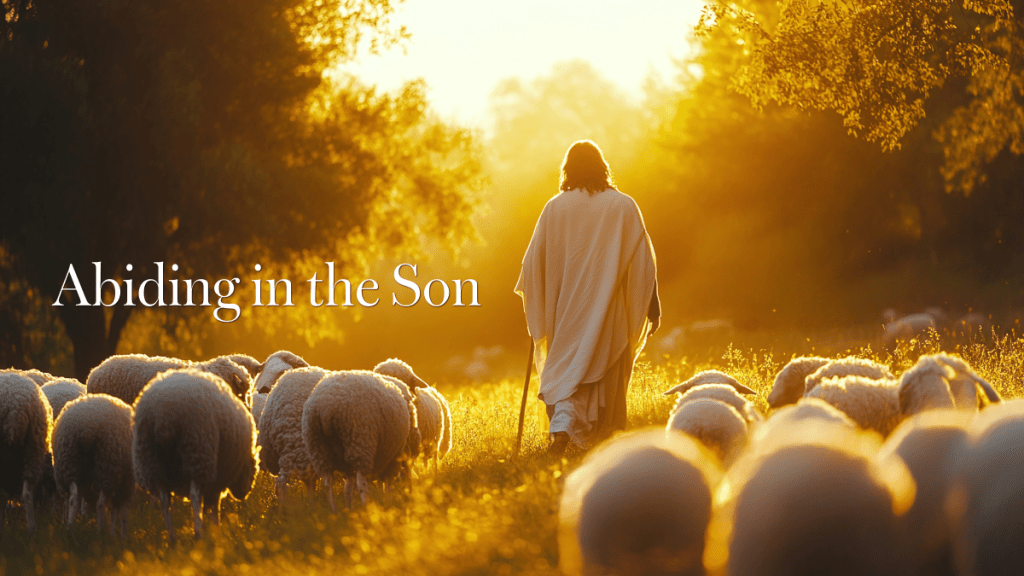
Verse 9 crystallizes the matter: “Everyone who goes on ahead and does not abide in the teaching of Messiah, does not have God. Whoever abides in the teaching has both the Father and the Son.” To “abide” (menō) is a central Johannine theme, denoting a living, covenantal relationship. Abiding in the teaching of Christ is not stagnation, but enduring connection. Those who “go on ahead,” seeking novelty apart from the apostolic witness, place themselves outside the life-giving communion of Father and Son.
In 2 John, love is never detached from truth, nor truth from obedience. This is a message that runs contrary to the social convention of the age. The love of God is witnessed in a community that walks according to His commandments, confesses the incarnate Messiah, and remains steadfast in the teaching handed down from the beginning. In an age tempted to redefine love as affirmation without obedience or unity without truth, 2 John calls the people of God back to a richer, biblical vision: love that abides, walks, and remains faithful to the Word made flesh, demonstrated in communion among the faithful.
Maranatha. Shalom.
 the mountain mensch