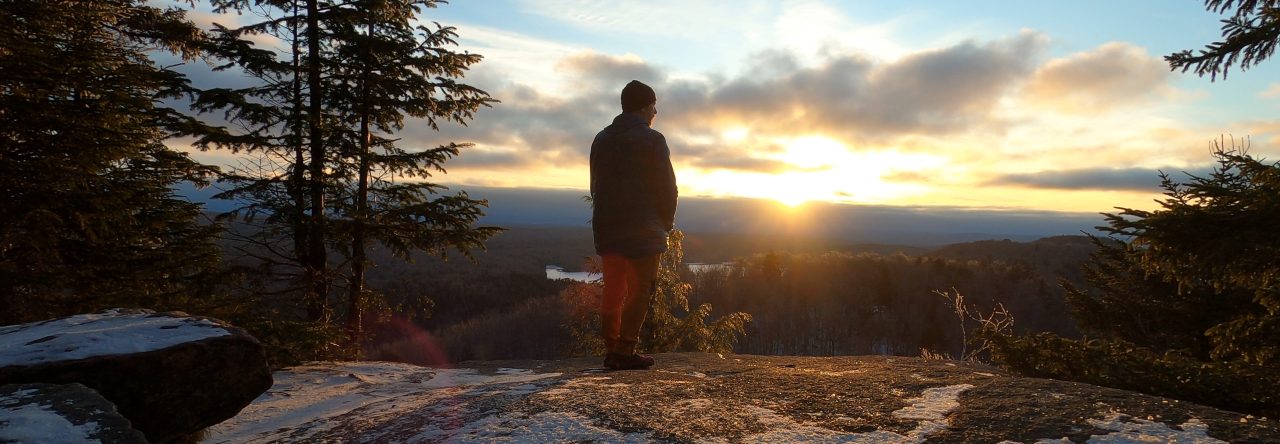
“Only take care, and keep your soul diligently, lest you forget the things that your eyes have seen, and lest they depart from your heart all the days of your life. Make them known to your children and your children’s children” (Deut. 4:9).
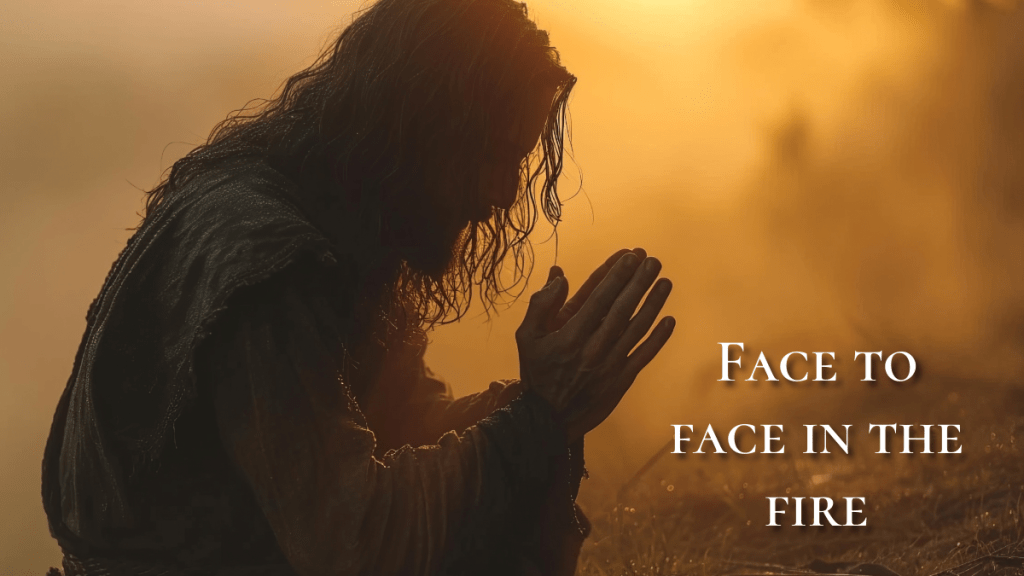
Parshat Va’etchanan (וָאֶתְחַנַּן) opens with Moses pleading to enter the Land, a request denied. Yet in that denial, we glimpse a deeper truth: that intimacy with God is not always found in fulfilled desires, but in faithful endurance. Moses, though barred from crossing over, stood face to face with the Holy One in the fire (Ex. 33:11). He became the voice of memory and covenant, calling Israel to remember, to teach, and to endure.
In our own trials, we too plead. We ask for healing, for breakthrough, for clarity. Sometimes the answer is silence. Sometimes it is “no.” But in Messiah Yeshua/Jesus, we learn that the fire is not a place of abandonment, it is the place of revelation. The Sh’ma, declared in this parsha, reminds us: “Hear, O Israel, the Lord our God, the Lord is one” (Deut. 6:4). In suffering, in joy, in exile and return, He is One. And we are not alone, in the calm or the storm, under fire or in peace.
Messianic faith does not bypass hardship, as I’ve mentioned many times before, it transforms it. Yeshua, like Moses, stood on the mountain, but He also walked through the valley. He endured the cross, scorning its shame, and now calls us to follow, not with fear, but with faithful resolve. Not always receiving what we want or hope for, need or require, but assured of His knowing presence all the same.
So we teach. We remember. We endure. And in doing so, we become living testimonies of the fire that does not consume, but refines (Mal. 3:2). And we stand waiting for that face to face moment when He returns. Still, until then, “We walk by faith and not by sight” (2 Cor. 5:7).
Maranatha. Shalom.
 the mountain mensch