
In Genesis 25:19-20 we read:
וְאֵלֶּה תּוֹלְדֹת יִצְחָק, בֶּן-אַבְרָהָם: אַבְרָהָם, הוֹלִיד אֶת-יִצְחָק
וַיְהִי יִצְחָק, בֶּן-אַרְבָּעִים שָׁנָה, בְּקַחְתּוֹ אֶת-רִבְקָה בַּת-בְּתוּאֵל הָאֲרַמִּי
מִפַּדַּן אֲרָם–אֲחוֹת לָבָן הָאֲרַמִּי, לוֹ לְאִשָּׁה
“And these are the generations of Isaac son of Abraham. Abraham fathered Isaac. And Isaac lived forty years before he took Rebecca the daughter of Bathuel the Aramean from Paddan-aram, the sister of Laban the Aramean to be his wife.”
The rabbis find the repetition of Isaac’s genealogy to be redundant, as the Torah is clear as to the paternity of Isaac. There is a midrashic tradition that says the neighbors of Abraham and Sarah did not accept the testimony of Isaac’s paternity, believing that he was the son of Abimelech, as they believed that Abraham was incapable of having children; yet, he had already produced Ishmael.
This portion opens with Isaac and Rebecca barren. The promise of God given to Abraham, that his descendants would be as many as the stars (Gen. 15:5), depended on Isaac and Rebecca having children. Isaac prays, the Torah portrays this as an act of worship, on Rebecca’s behalf, and the Lord answers. Isaac had to raise his prayer before the Lord with the same faith as Abraham, who believed the Lord’s promise for physical multiplicity through Isaac (Gen. 15:6), to fulfill the promise of Genesis 12:1-3, and Genesis 15:5. Isaac prayed in the faith and hope of his father Abraham, and the covenant promises were renewed in him (Gen. 26:4-5).
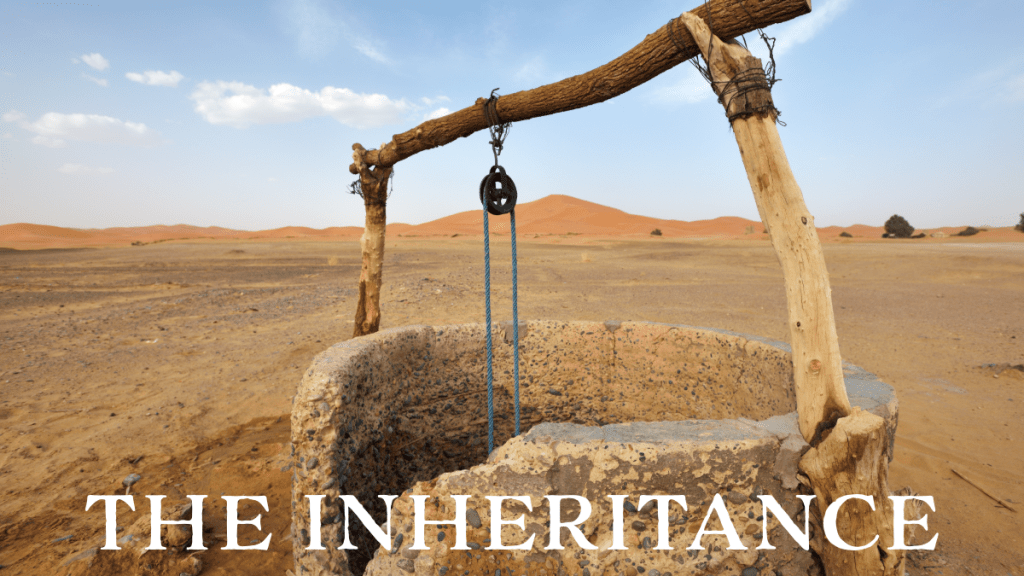
The Philistines filled the wells of Abraham, and Isaac had to reopen them in order to live in the Promised Land (Gen. 26:15-22). He names the wells: עֵשֶׂק: “contention,” שִׂטְנָה: “harassment,” and רְחֹבוֹת: “expansion.” The rabbis understand that the Philistines tolerated Abraham’s presence, and his preaching; but after he died, they filled the wells of living water that represented his monotheistic faith. They would not tolerate a second generation and hoped that Isaac would leave the land forever.
The rabbis also find a connection between the three wells of Abraham and the three Holy Temples in Jerusalem. The first two wells foreshadowed the destruction of the First and Second Temples, while the third well foreshadows the third and final Temple, which they say will encompass the entire city of Jerusalem. The apostle John also sees this, “I also saw the holy city – the New Jerusalem – coming down out of heaven from God, prepared as a bride adorned for her husband” (Rev. 21:2).
Isaac had to live in the faith of his father, while also living with the rumors about him. We find parallels in the life of Paul, applicable to us as well. After Paul’s salvation, other messianic Jewish brethren fear and doubt his salvation (Acts 9:21, 26-27). He had to quash rumors spread about him (Acts 21:21). He put Kingdom work above his birthright, reputation, and even acceptance; until the fruit of his ministry became apparent to all (Gal. 2:1-2).
As we persevere in faith, we open those wells of living water, filled in by the enemy, and wait on the return of Yeshua/Jesus, with Whom we are joint heirs.
Maranatha. Shalom.
 the mountain mensch