
Numbers 8:1-2 reads:
וַיְדַבֵּר יְהוָה, אֶל-מֹשֶׁה לֵּאמֹר
דַּבֵּר, אֶל-אַהֲרֹן, וְאָמַרְתָּ, אֵלָיו: בְּהַעֲלֹתְךָ, אֶת-הַנֵּרֹת
אֶל-מוּל פְּנֵי הַמְּנוֹרָה, יָאִירוּ שִׁבְעַת הַנֵּרוֹת
“And the Lord spoke to Moses, saying, ‘Speak to Aaron, and say to him, when you light the lamps, before the face of the Menorah, the seven will give their light.’”
Numbers 8 immediately follows the accounting of the gifts of the tribes of Israel, presented by the princes of the tribes, before the Lord. The Midrash asks why the command for lighting the Menorah follows the gifts of the tribes, rather than being included with the command for the Menorah itself. The rabbis explain, that while collectively the princes presented riches for the Tabernacle, before the Lord, Aaron and his sons would offer light. While the riches will fade, the light is everlasting.
At times it is difficult to see or recognize the importance of what we have been purposed to do for His Kingdom. Like Aaron, we may watch others participate in different aspects of His Kingdom and wonder why we are not likewise called to do as they are doing. But the Lord is revealing to Aaron and his descendants that what they are called to do the princes of the tribes cannot do: they cannot enter and minister in the Holy Place, or the Holy of Holies.
In fact, the ministry of the Holy Place, to include the kindling of the Menorah, was the first of all ministries in the Tabernacle, and later, the Temple. Without this ministry nothing else happened: sacrifices were not given, reconciliation and thanksgiving did not happen. Without the kindling, the Tabernacle was just a tent.
The story is told that when Moses assembled the Tabernacle and entered, the Ark having been set in place, the light of God was so overpowering that he asked the Lord, “why place the Menorah at all?” The Lord then said to Moses, “Place a curtain between the Holy Place and the Holy of Holies, and our light will meet there.”
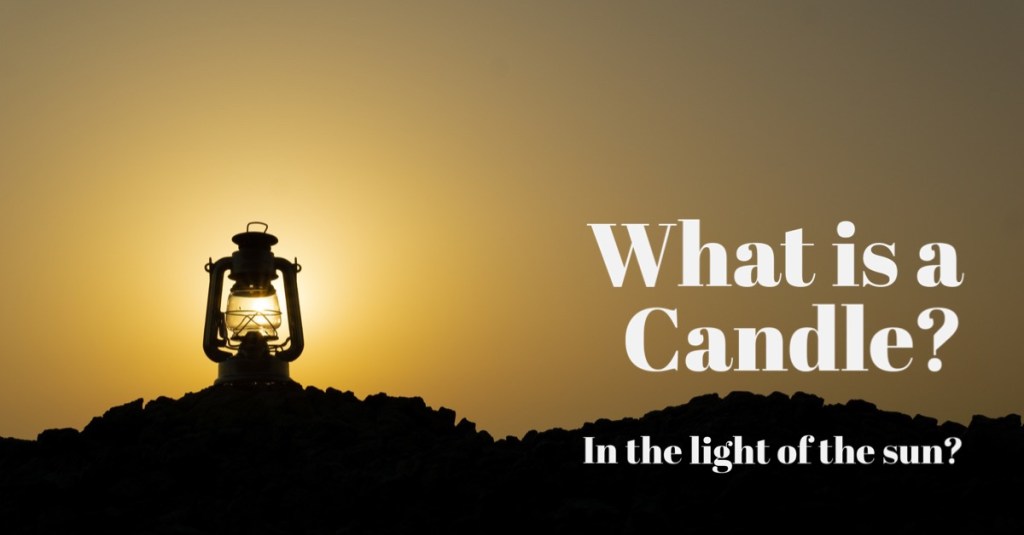
What is the light of a candle in the light of the sun? In the radiant presence of the Glory of God, what is our light? The Kingdom of Heaven.
Messiah Yeshua said, “I am the light of the world. The one who follows Me will no longer walk in darkness, but will have the light of life” (Jn. 8:12).
As Peter amplifies so beautifully, “But you are a chosen people, a royal priesthood, a holy nation, a people for God’s own possession, so that you may proclaim the praises of the One who called you out of darkness into His marvelous light” (I Pet. 2:9). Chosen. Priesthood. Holy. God’s possession. Proclaimers in light.
Messiah is the light of the Holy of Holies – the fullness of the Godhead bodily. We are as the light of the Menorah, as Messiah said, “You are the light of the world. A city set on a hill cannot be hidden. Neither do people light a lamp and put it under a basket. Instead, they put it on a lampstand so it gives light to all in the house. In the same way, let your light shine before all men so they may see your good works and glorify your Father in heaven” (Matt. 5:14-16).
Again, what is the light of a candle in the light of the sun? We can assume that it is nothing, as it is overtaken by the great light, but in the Kingdom of God, it is commanded.
The divine presence in the Tabernacle was an overpowering light, there was no need for the Menorah – except the Lord commanded it to be. One candle may not seem like much, but when the light is commanded by God, and the deed is done before men, when they glorify Him, the deed has the power of the Son.
We live in an age where it seems that darkness is more powerful than light, but the power of heaven overpowers all.
Our light may seem like nothing in the glow of heaven, but if we are faithful to light and shine, He is faithful to enter in, and dine with us (Rev. 3:20). Let us not, “lose heart in doing good, for at the proper time we will reap a harvest if we do not give up” (Gal. 6:9).
Someone, or something may seem to shine greater, but He has still commanded you to shine for Him regardless.
Be well. Shabbat Shalom.


 the mountain mensch