
Have you ever failed at anything? Well, you are in good company. What happens when we fail? Give a listen!

Have you ever failed at anything? Well, you are in good company. What happens when we fail? Give a listen!
Things are not always as they seem. Social media is not always what it seems. What we share as still moments do not always convey what the conditions or the situations before and after are. We see a moment, and either good or bad, we react – and those little emoji’s make it so easy.

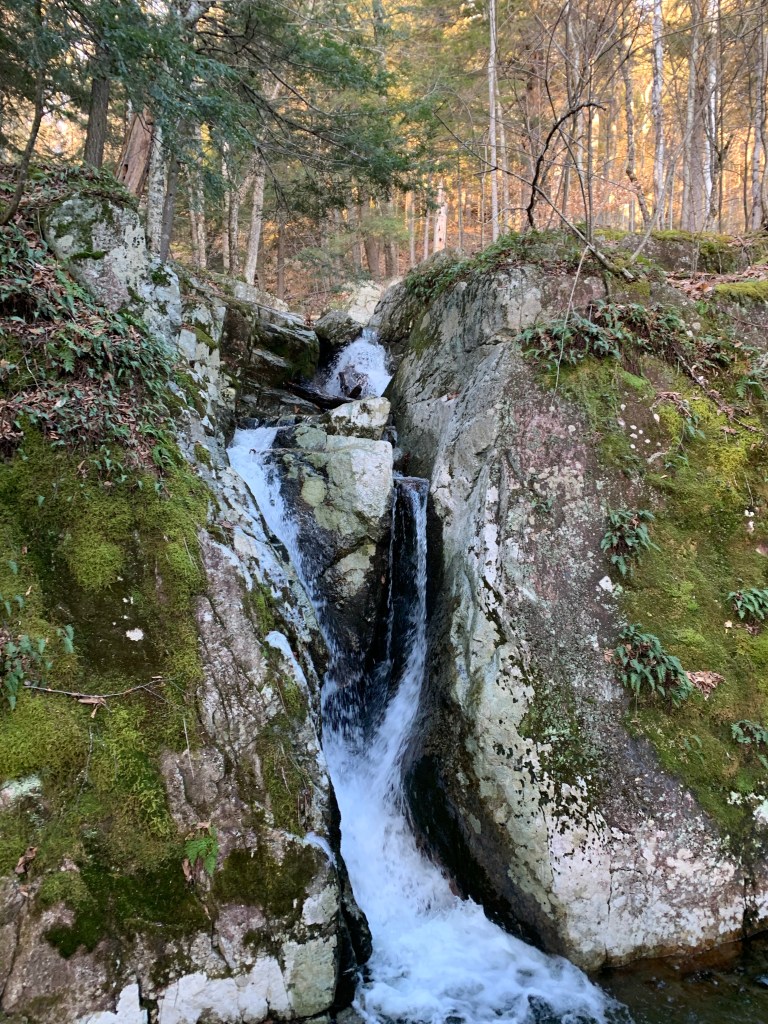
The picture I shared was taken on a mountain top. The picture does not include what happened immediately before, and obviously, shortly after. The pic, however, looks good. It looks successful. It looks fun. Inviting. Yet, I can assure you, it, for the most part, was anything but good, successful, fun, or inviting; not because of the environment, but personal sorrow – no need for sympathy, I include this to make my point.
The picture does not capture the sadness before, or the sadness after. It’s just a still photo of a person somewhere in the mountains.
That’s one of the issues with social media. It’s easy to present one picture, usually the best one available, laying aside the unpleasant reality. And it’s easy to view one picture, not realizing the unpleasant life reality not captured.
My point is not to bash social media or we who share, but for us as social media consumers to pause, and remember something important.
When the king of Moab, Balak, sees the children of Israel in the wilderness from above and afar, he sees a beautiful, well-ordered camp moving. It is a terrifying vision for him (Num. 22). He hires Balaam to curse them, to destroy them by the power of his words. He cannot. He is only able to bless them, “How lovely are your tents, O Jacob! Your dwellings, O Israel! (Num. 24:5).
Balak saw what he wanted to see. From a distance Israel looked perfect. Orderly. The presence of God manifest in the center of the camp. They were, in his mind, a conquering army set to topple him.
What Balak couldn’t see were the issues, the reality on the ground, in the midst of the camp that Moses had to lead through: the rebellions; the family squabbles; the complaints; the life issues that underlay apparent perfection. God was in their midst and working, but as humans we certainly have our issues.
It’s easy to judge our life, our experience, and therefore, our value by the perfect picture shared, the most liked post, or the exciting destinations traveled to by others; but what we do not often see is the reality.
In some cases, it’s the appearance of what people want us to see in order to show apparent perfection or beauty to build their brand. Yet, for others, they share, even without saying it, their victory in order to inspire. In that captured moment they are able to leave behind the often crippling life issues in order to share a moment of joy, not to influence for brand value, but to inspire others to take the next step, whatever it may be for them.
Israel was living; a nation of freed slaves learning to be a family and a people. Balak was assuming, and in that assumption he feared; and while Balaam was unable to curse from above, he shared with Balak how to destroy them from within … “send in your prettiest people, with good food, and tempt them to worship with you” (Num. 25:1-3). They infiltrated the camp.
Social media is what we make of it, the good and the bad. Yes there are many who use social media for their own gain; but before we lash out, criticize, mock, or become afraid that someone else is living the good life, remember that it may have taken them great courage and faith to get up, go out, and then share a moment of personal victory of overcoming in the midst of many, many setbacks.
As I wrote in a recent post: Refrain from forming and sharing an opinion of others, or dare I say, a judgment of them, until you know exactly what they are enduring (Matt. 7:1-2, 12).
Social media has trained us to view people with a particular lens, one of our choosing. I pray that we learn to see people with the eyes and heart of Christ, and from there share in their victories and trials, while not contributing to them.
Be well. Shalom.
The unusual command of the Red Heifer (Numbers 19) is immediately followed by the tragic events of the death of both Miriam and Aaron. Sandwiched between these two moments of national mourning is the disqualification of Moses from leading Israel into the Promised Land.
I’ve taught in great detail on the incident recorded in Numbers 20:1-13, known as the incident at the waters of Meribah (20:13), the waters of strife.
The water had ceased flowing; and the rabbis connect this to the death of Miriam. The people panic. Moses, knowing that the Lord will provide water, does not panic, but scolds and responds bitterly, as we read in Psalm 106:32-33 , “And they provoked wrath at the waters of Meribah and Moses suffered on account of them; because they embittered his spirit, and he spoke rashly with his lips.”
This incident is a lesson for those being led, and those leading: 1) don’t panic, and 2) don’t be reactionary.
Why?
Just prior to the incidents described in Numbers 20, the Lord gives the suprarational command of the Red Heifer. While that is a subject too broad for this blurb, this command depends not only on the ashes of a Red Heifer, but also water.
In order to fulfill this command there would need to be fresh water in the camp, and the Lord knows this. He will provide.
Israel panicked. Moses reacted, bitterly. Yet, the Lord still provided (Num. 20:11).
How often when we find a lack somewhere in our lives, do we panic or begin to explore our own means of provision; or we react bitterly to the need, due to years of strife and struggle? In those moments, turn to the Word of God. His promise. And read what He has said.
He had just commanded the unusual, suprarational command of the Red Heifer (Num. 19), a key component of which is fresh water. At times we forget what He has commanded in the face of need, not recognizing that in the command there is also the supply necessary to do it, and to do life.
Water would flow, they just had to ask. Life would be restored. They just had to trust.
It is a blessing to know that even when we respond in a less than graceful manner, even in our frustration, that He will still provide.
Meditation: Psalm 1:1; Philippians 4:19; James 4:1-3.
 the mountain mensch