The Lord is There

The Lord is There

Jewish exiles in Babylon sit alongside the River Chebar weeping. As I’ve touched on previously, their captors demanded a song of Zion (Ps. 37:3). Grief stricken, they lament,

“Oh! How can we sing the song of the Lord, in this unrecognizable land? (Ps. 137:4, personal translation).

For all their singing and performance before the Lord and the people in Jerusalem, these Levitical singers could not see past their condition and circumstance in exile. Overcome by captivity, they hang their harps among the willows, unable to raise their voice in praise, remembrance, or hope (Ps. 137:1-2).

What could have happened had they raised their voices? If they praised in their circumstance?

Ezekiel answers this question.

In Ezekiel 1:1, we find him, this cohen (priest), sitting “among the exiles by the river Chebar.” While the singers wept and mourned, the heavens were opened to Ezekiel (Ezek. 1:1).

From that same place, rather than joining with mourning singers, Ezekiel has visions of God Himself; and a vision of heavenly creatures that confound even today (Ezek. 1:4-28). We leave that vision for another time, and move on to the purpose.

Ezekiel would prophesy not only of the woes leading to exile, but also of the journey to restoration. His vision would take him from the presence of those weeping in captivity, to the purification of judgment, to the joy of deliverance.

Understand, Ezekiel had a far less pleasant experience than those who sat and mourned – even in obedience. It would have been far more desirable to sit, mourn, and do nothing, than to lie down for 390 days for Israel, and 40 days for Judah, respectively, eat filthy bread, and shave the outward sign of righteousness and wisdom, your beard.

The early record of Ezekiel’s call is absurd from a human perspective; but the absurdity of those early God ordained maneuvers makes way for the message of cleansing and restoration (Ezek. 36:25-27), and resurrection of the valley of dry bones (Ezek. 37:1-14; cf. Ro. 11:15).

While the singers were focused on their circumstance, Ezekiel was focused on the Lord. He was faith-ing in the direction of the unseen Lord, looking past the circumstance, to see hope realized (Heb. 11:1).

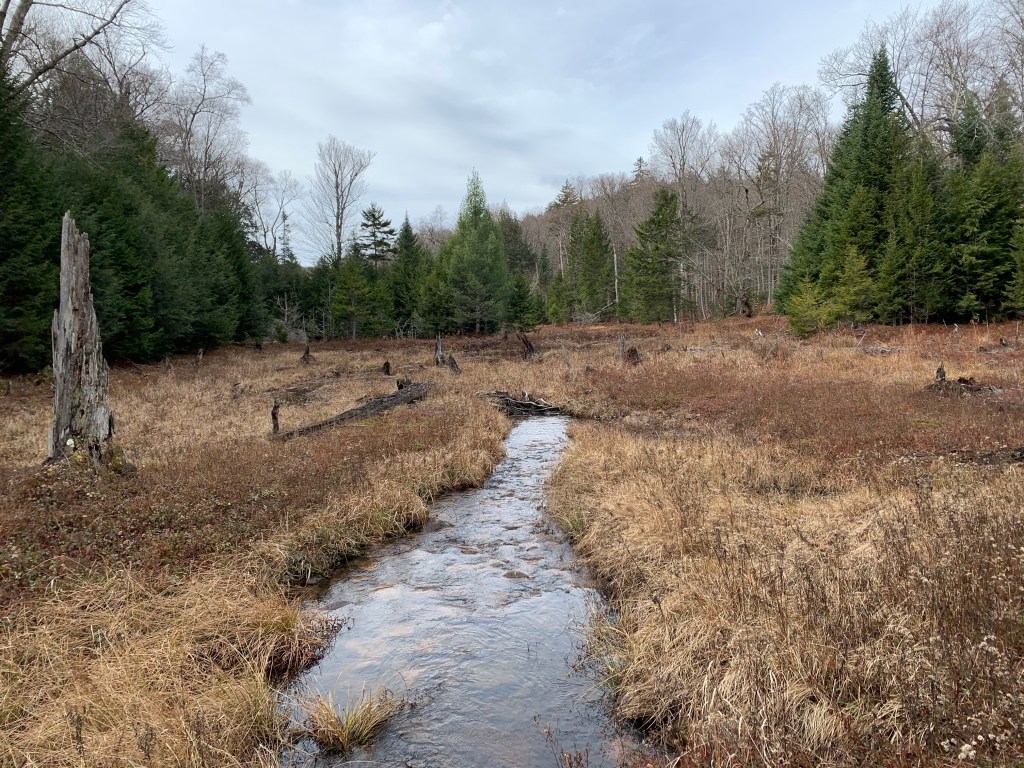
At the beginning of his call, Ezekiel was sitting beside the River Chebar, in exile; but at the end of his vision he saw the River of Life flowing (Ezek. 47:1), from a city called, “Adonai shamah,” “the Lord is there,” (Ezek. 48:35).

Not much changed in Ezekiel’s circumstance during his life, but he did not hang his harp and give up. He kept the Lord at the center of his view, and the Lord allowed him to see the same city hoped for by Abraham, Isaac, Jacob, all who came before, and those of us still waiting (Heb. 11:10).

Whatever your exile might be, whatever the river you sit beside, raise your voice, not with the mourners, but with the heavenly choir singing His praise; and heaven will ever be before you.

“Adonai shamah,” “the Lord is there!”

Be well. Shalom.

The Light of God’s Word

Sometimes in God’s Word a passage does not impact you because it is speaking to a place you are not in, and you read on. Then as circumstances change, with the pressures of life encroaching on you, suddenly those words, glossed over, glory off the page.

In order to see and hear, we needed the sight from circumstance to behold the light of His Word, to hear it speaking directly to us. God didn’t change (Numb. 23:19; Heb. 13:8). His Word didn’t change (Ps. 119:89). We changed; and His Word became a lamp and a light unto the way He is leading (Ps. 119:105).

Glory to God, His Word and light became flesh in the person of His Son, Yeshua/Jesus (Jn. 1:4-5, 14); and you can speak right to Him, the Light! the Word! as He leads you along the way in life. Praise His name!

Be well. Shalom.

“You have never been … this way before.”

I was once speaking with someone on a remote trail, leading to a remote mountain. They were nervous about the steep and slippery terrain ahead.

Recognizing that they were not inexperienced in the backcountry, I encouraged them to keep going. While the trail was unknown to them, it was not unknown to me; and I knew that they had been through much worse trail conditions than they would meet ahead.

They continued on … by the word of a stranger.

Joshua 3:3-5 is a beautiful source of comfort as we face uncertainty in life:

“And they commanded the people, saying, “When you see the ark of the covenant of the Lord your God, and the priests, the Levites, bearing it, then you shall set out from your place and go after it. Yet there shall be a space between you and it, about two thousand cubits by measure. Do not come near it, that you may know the way by which you must go, for you have not passed this way before.” And Joshua said to the people “Sanctify yourselves, for tomorrow the Lord will do wonders among you.”

“For you have not passed this way before,” and because of that you need a bit of perspective. The Ark and the priests will be out in front, just as they had been for 40 years in the wilderness, give space, pay attention, and follow the presence of God attentively.

At this point, what’s ahead is unknown; but Joshua and the elders of Israel are reminding a worried people that the same Lord who has led them, will do so again tomorrow; the same Lord who has done wonders among them, will do so again tomorrow. They need only “sanctify” themself, or commit themselves to His leading.

With the uncertainty of tomorrow ever before us, we need to remember how the Lord led us in our yesterday’s, even to this moment.

In Numbers 23:19 we read, “God is not a man, that He should lie, Nor a son of man, that He should repent. Has He said, and will He not do? Or has He spoken, and will He not make it good?” (cf. Heb. 13:8; II Cor. 1:20).

Everything I teach can easily be traced back to this verse. God will not lie. He will not change. He said it. He will do it. And, blessed be His name, all of the promises of His Word, radiating out from eternity to the present, are guaranteed in His Son.

Messiah Yeshua/Jesus commanded those following Him: “Don’t worry about it,” a paraphrase obviously, and He did so by directing us to the faithfulness of the Father (Matt. 6:25-34). He was urging us to continue on, even over the rough, uncertain terrain – even in the distress of life.

We continue on … by the word of the Savior. O praise His name!

The question will then become: Are you sure we haven’t been this way before? It seems familiar, very familiar.

The closer you are drawn to the Lord, by His grace, the more the uncertain, and unfamiliar, will feel familiar. Not because we have been “this way before,” but rather, the Lord who is ever with us, is leading us through the uncertain, as He always has, and will.

Be well. Shalom.