
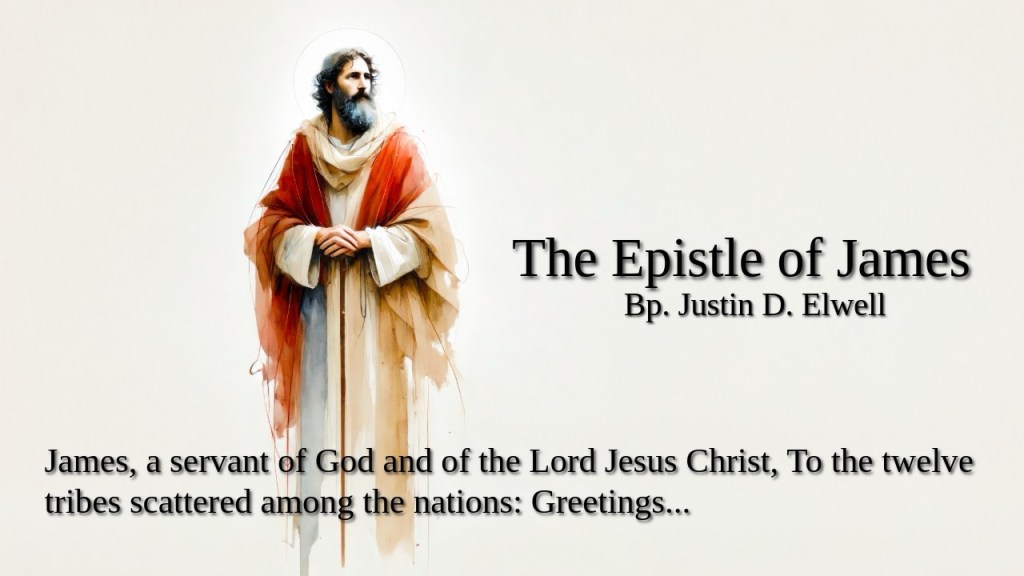
James 2 moves from the internal formation of faith to its public and communal expression. If James 1 establishes that genuine faith must be lived, James 2 presses the issue further: lived faith must be just. Here, James confronts favoritism, economic corruption, and a distorted understanding of belief divorced from obedience. The chapter stands as one of the clearest expressions of covenant ethics in the New Testament, firmly rooted in Torah, prophetic tradition, and the teachings of Jesus.
 the mountain mensch