
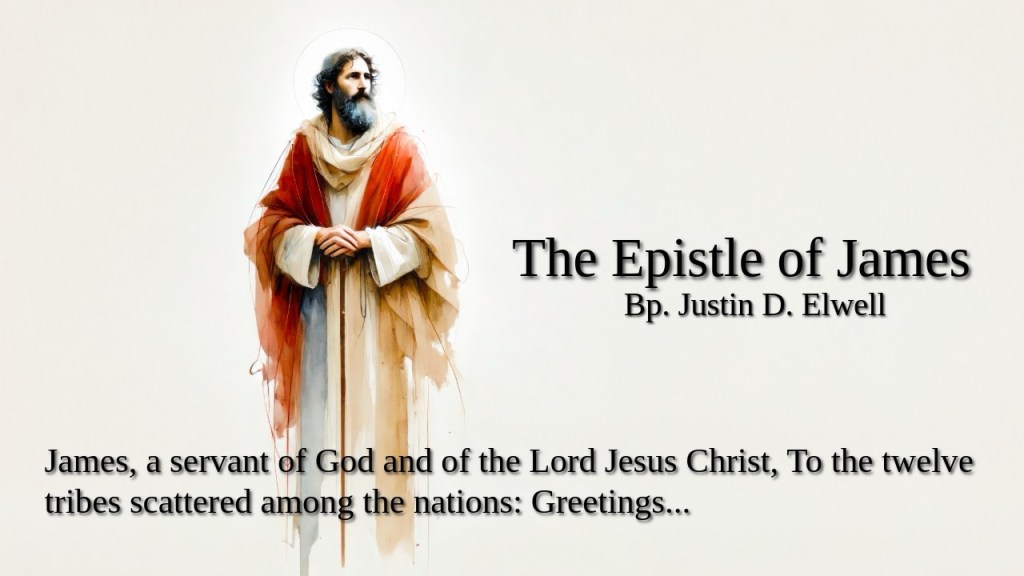
The Epistle of James stands among the most direct, uncompromising, and Jewishly grounded writings of the New Testament. It confronts the reader not with abstract theology, but with lived faith, faith tested by suffering and trial, expressed through obedience, and made visible in righteous conduct. To understand this epistle correctly, one must first understand its author, his historical reputation, his martyrdom, and the volatile religious and social world in which he wrote.
 the mountain mensch